



The Lesotho Communications Authority (LCA) has called for stronger local cybersecurity expertise and national preparedness as the country expands its digital infrastructure and faces growing cyber threats.
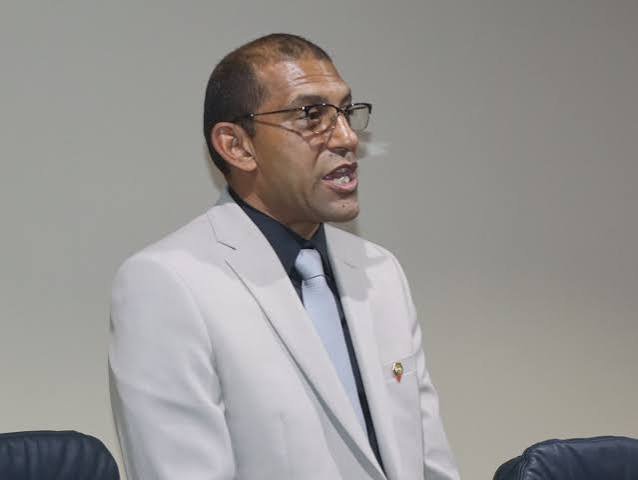
The call was made by LCA Chief Executive Officer Nizam Goolam during the opening of the National Cybersecurity Capacity Building Week, which also marks Lesotho’s first National Cyber Week.
Goolam said the increasing use of digital services across sectors makes it important for Lesotho to develop sustainable local cybersecurity expertise rather than rely mainly on international specialists for solutions and training.
He said the LCA organized the programme using available local experts to help Basotho professionals develop the skills needed to train others and create cybersecurity solutions suited to the country’s operational needs. He added that digital sovereignty depends on having local engineers capable of protecting national infrastructure and strengthening cyber resilience.
Goolam also acknowledged the support of the Cybersecurity Capacity Center for Southern Africa (C3SA), which has worked with Lesotho on cybersecurity assessments and training initiatives.
C3SA Research Director Dr. Tendani Chimboza said cybersecurity capacity building must go beyond training sessions and discussions to deliver practical measures that protect national infrastructure and citizens.
She highlighted the risks faced by people exposed to online scams and phishing attacks, noting that many may not fully understand the threats. She said C3SA supports countries through research, knowledge development and cybersecurity roadmaps that guide policy and governance strategies.
Chimboza reaffirmed the organization’s commitment to working with Lesotho to strengthen its cybersecurity capabilities.
READ ALSO: AI IS LOWERING THE BARRIERS TO CYBERCRIME, FIRST CIRCLE CAPITAL WARNS AFTER BINANCE HEIST
LCA Cybersecurity Manager Tumane Mahloane said the programme comes as government institutions, banks, telecommunications companies and essential service providers increasingly adopt digital systems.
He identified exposed internet-facing systems, unpatched software, shortages of dedicated security teams and weak coordination among institutions as risks that could compromise critical infrastructure.
The three-day programme, held from November 18 to 20, is designed to equip participants with practical skills in identifying and responding to cyber threats, securing networks and managing vulnerabilities. It also provides an opportunity for participants to exchange experiences and address technical and operational gaps affecting the country’s cybersecurity readiness.
The initiative reflects Lesotho’s efforts to build local capacity to protect its expanding digital ecosystem and improve the resilience of essential services against cyber threats.
