



Zimbabwe, in partnership with the United Nations Development Programme (UNDP) and Uncommon.org, is stepping up efforts to expand broadband connectivity across all 2,400 administrative wards and improve access to digital services in underserved communities.
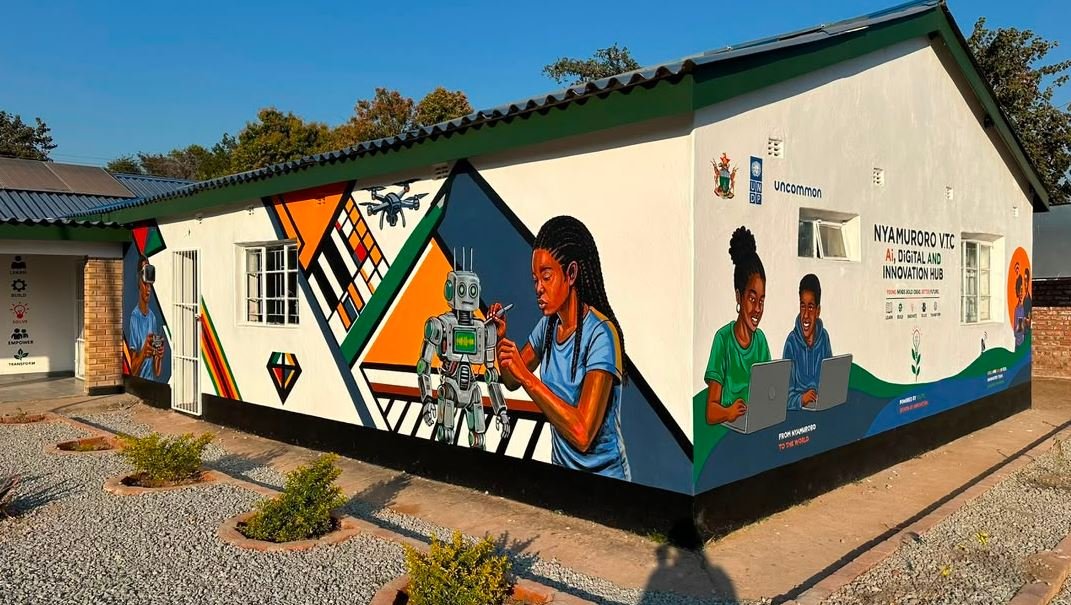
As part of this initiative, the government has launched an artificial intelligence (AI), digital and innovation hub at Nyamuroro Vocational Training Centre in Gokwe North, a predominantly rural area in the Midlands Province. The facility is the ICT Ministry’s first AI digital innovation hub established in a rural community.
The hub is expected to give young people access to computers, digital skills training, artificial intelligence, coding and innovation opportunities, helping them develop capabilities relevant to the growing digital economy.
The launch builds on Zimbabwe’s Presidential Internet Scheme, introduced in 2025. The new facility has already enrolled 52 young people from the local community.
READ ALSO: TLOU ENERGY AND KALA DATA CONSIDER DATA CENTRE EXPANSION IN BOTSWANA
Deputy Minister of Youth Empowerment, Development and Vocational Training Kudakwashe Mupanhanga said the initiative would create opportunities for rural youth to participate in the digital economy.
“The launch is more than the opening of a training facility. It opens the gateway through which young people in rural Zimbabwe can access digital skills, artificial intelligence, coding, innovation, and the opportunities of the digital economy,” Mupanhanga said.
He added: “Zimbabwe’s digital transformation must not be confined to our cities and urban centres. It must reach our villages and rural communities so that no young person is left behind because of where they live.”
Mupanhanga also emphasised that expanding connectivity must go hand in hand with developing the skills communities need to use technology productively. To support the hub’s operations, the ICT Ministry supplied 20 laptops.
The Gokwe facility will also connect rural learners to national digital-skills initiatives, including the 1.5 Million Coders Programme and the government’s cybersecurity programme. The initiative represents a step towards narrowing Zimbabwe’s digital divide by bringing technology training and innovation opportunities closer to rural communities.
