



Ethiopia’s national payment switch operator EthSwitch has stressed that building digital public infrastructure is only the first step in expanding instant payments across Africa, with merchant confidence and practical tools for everyday use determining whether systems take hold.
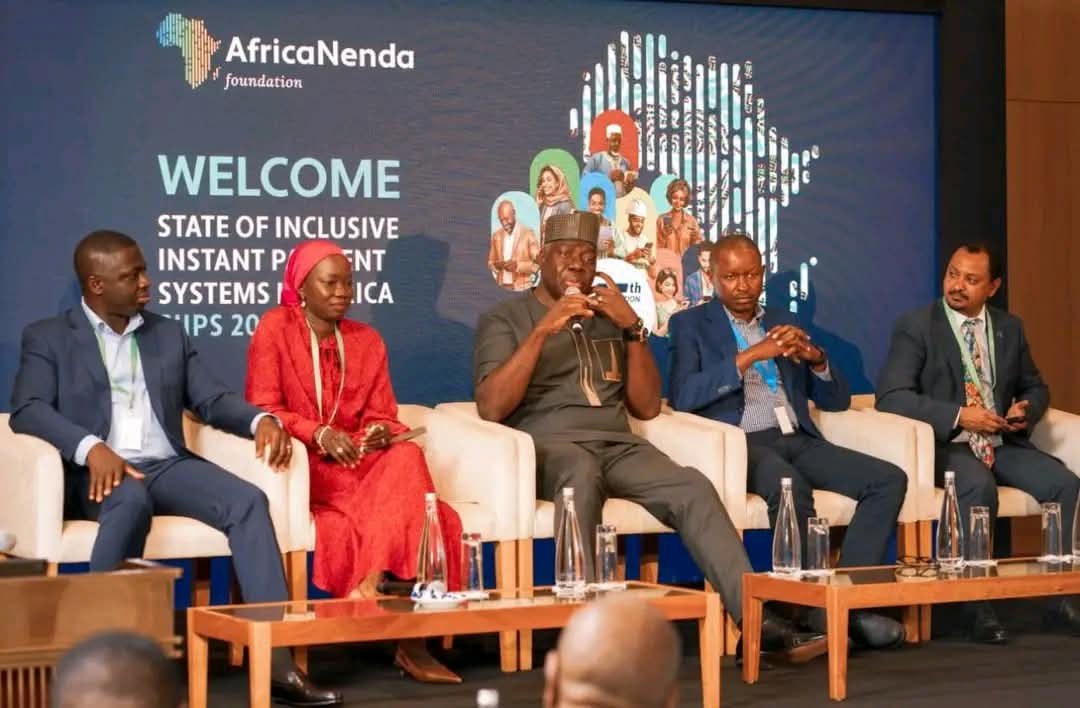
Speaking at a panel session during the fifth edition of the State of Inclusive Instant Payment Systems in Africa Report (SIIPS 2026) in Mauritius, EthSwitch’s Director of Marketing Yoseph Endale outlined Ethiopia’s approach to linking digital identity, payments and data exchange while underscoring the private sector’s role in driving actual usage.
The session, titled “Closing the Last-Mile Gap: Digital Public Infrastructure Meets Private Sector Action,” focused on how digital public infrastructure can deliver broader financial inclusion when private operators and merchants engage with it. A central observation from the discussion was that “DPI builds the road, but the private sector determines whether people use it.”
READ ALSO: ERICSSON’S 150TH ANNIVERSARY IN LAGOS, REVISITS NIGERIA’S JOURNEY TO A CONNECTED FUTURE
Endale pointed to Ethiopia’s emerging digital public infrastructure architecture, which includes Fayda, the country’s digital identity system; EthioPay, the interoperable instant payment platform operated by EthSwitch; and supporting data-exchange platforms. EthSwitch builds and runs EthioPay, connecting banks, microfinance institutions, payment instrument issuers and payment system operators.
According to figures he presented, EthioPay currently supports interoperable person-to-person payments across 51 institutions, ETHQR payments across 40 institutions and Request to Pay services across 30 institutions. EthSwitch is also developing an ISO 20022 middleware solution so that financial institutions with different levels of technical capacity can join the interoperable network.
Endale illustrated the practical barriers to adoption with the case of an Ethiopian grocery merchant who stopped accepting mobile money after his wife handed over goods worth about 1,000 Ethiopian birr against a fraudulent payment receipt. Although the merchant himself used mobile money, the experience eroded his willingness to accept digital payments from customers.
In response, EthSwitch developed the Interoperable Merchant Portal. The tool allows merchants to check transaction records, match payment amounts and reference numbers, and confirm that a payment has been completed before releasing goods. The example, Endale indicated, shows that technical connectivity alone is not enough, especially for small businesses that face uncertainty over whether a payment has actually cleared.
Panelists at the forum also emphasized public-private partnerships, interoperability, adaptive regulation and the need to measure real usage rather than relying mainly on account-opening numbers. As African countries continue expanding digital payment infrastructure, the emerging priority is making systems affordable, reliable and useful in daily commerce so that access turns into sustained adoption.
