



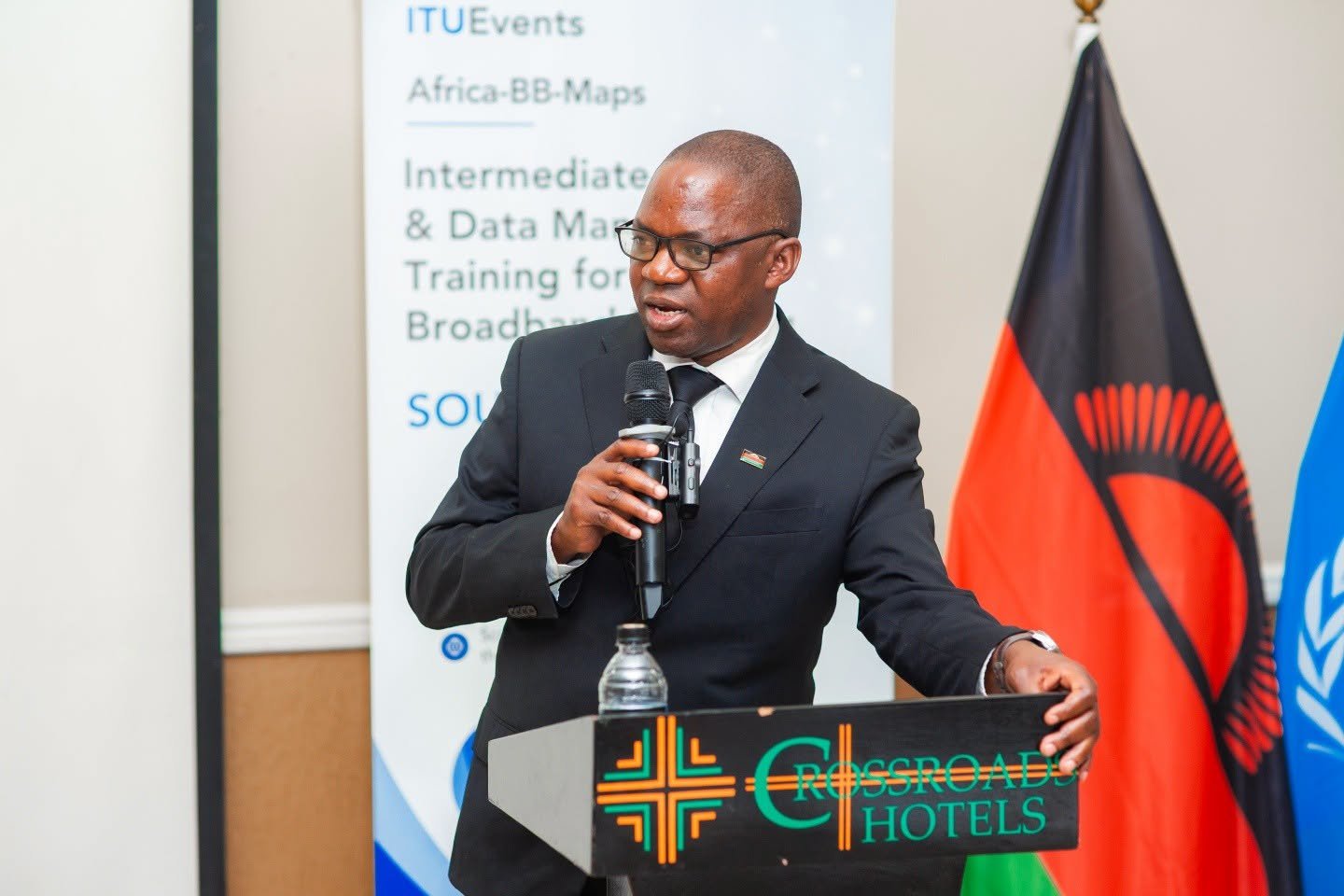
The International Telecommunication Union (ITU) is supporting efforts to strengthen harmonised national broadband mapping systems across beneficiary countries in Sub-Saharan Africa.
The initiative is being implemented through a five-day Africa Broadband Maps Intermediate Geographic Information System (GIS) and Data Management for Broadband Mapping training programme, which began in Malawi on Monday.
Hosted by the Malawi Communications Regulatory Authority (MACRA) in Lilongwe, the workshop is organised by the ITU with support from the European Union and delivered by Esri South Africa College.
Building on participants’ existing GIS knowledge, the training provides practical experience in enterprise GIS architecture, multi-user geodatabases, data governance, access control, advanced editing, data integrity, database management and geospatial service publishing.
The Lilongwe training forms part of wider regional efforts to improve data-driven planning and decision-making for digital infrastructure development across Africa.
READ ALSO: MICHAEL MIEBACH: MASTERCARD Q2 RESULTS REFLECT RESILIENT SPENDING GLOBALLY
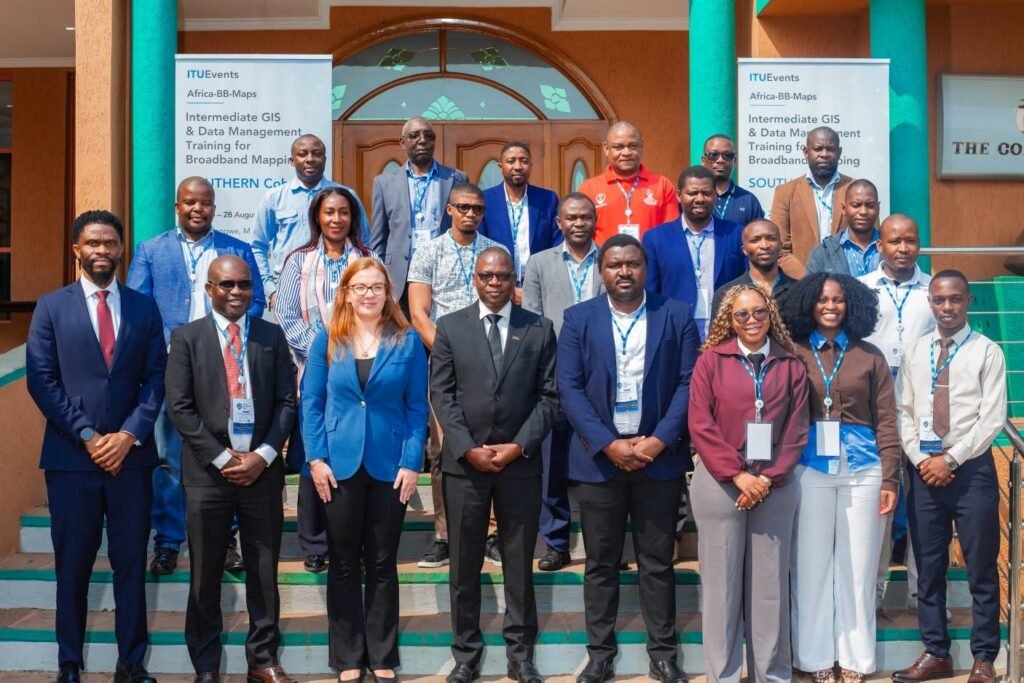
“Broadband mapping allows countries to see their connectivity landscape clearly, identifying where coverage is strong, exposing where gaps remain, and enabling evidence-based planning for a more connected future,” Patrick Musiyapo, MACRA’s Acting Director of Telecoms, explained. At the opening of the training, he underscored that this work went beyond technical training.
Musiyapo said: “It is building the evidence base that will guide policy, direct investment, and connect the unconnected.”
The ITU Africa-BB-Maps project, running from 2025 to 2028, aims to establish or strengthen harmonised national broadband mapping systems across 11 national regulatory authorities in Sub-Saharan Africa.
The programme brings together broadband mapping practitioners from Malawi, Zimbabwe, Botswana and Zambia, equipping them with the skills needed to develop, manage and maintain enterprise GIS systems for national broadband mapping.
The beneficiary countries include Benin, Botswana, Burundi, Ethiopia, Côte d’Ivoire, Kenya, Malawi, Nigeria, Uganda, Zambia and Zimbabwe, with the project working alongside national and regional stakeholders to promote sustainable systems, national ownership and alignment with Africa’s evolving digital landscape.
A major component of the initiative is knowledge transfer from Europe to Africa, drawing on European regulatory and technical expertise to strengthen local capabilities in broadband mapping and digital infrastructure planning.
