



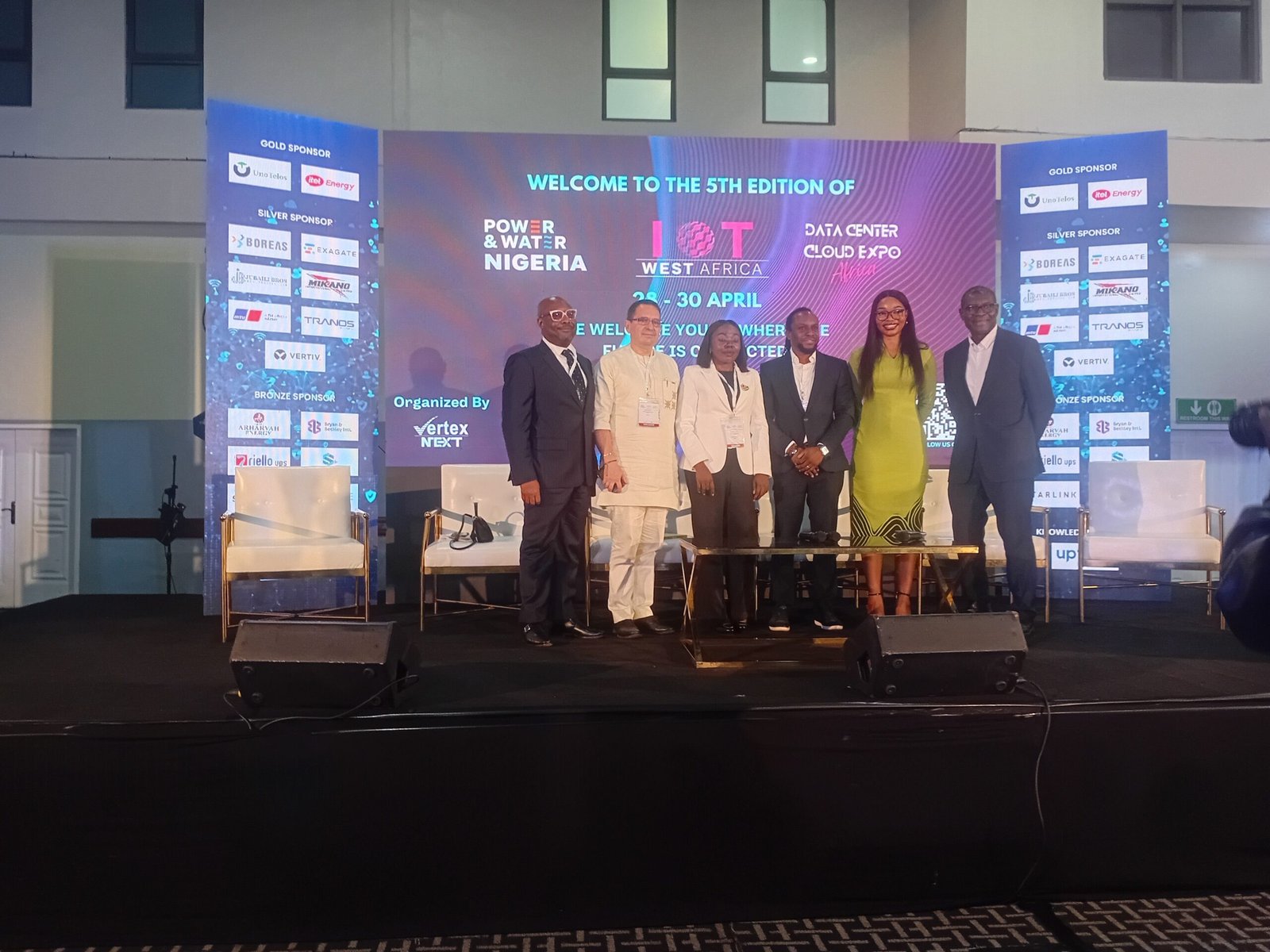
The opening keynote panel session at the annual IoT West Africa set the tone for critical conversations on urban transformation, as industry leaders explored how artificial intelligence and the Internet of Things (IoT) can drive Africa’s smart city ambitions.
The session, themed “Building the Smart Cities of Africa: Harnessing AI & IoT for Urban Innovation,” featured a high-level panel including Olakunle Falola, Executive Commissioner at the Lagos State Electricity Regulatory Commission; Akinbulejo Onabolu, Head of Enterprise Segments at MTN Nigeria; Angela Chilotam Nnamani, Head of Returns Payment Processing Unit at the Nigeria Revenue Service; Marco Rebecchi, Country Manager for Nigeria and Ghana at Nokia; and Johnson Agogbua, CEO of Kasi Cloud.
ALSO READ:UNICLOUD AFRICA,OADC TO DRIVE CONTINENTAL DIGITAL SOVEREIGNTY
Speaking during the session, Falola emphasized that reliable power remains the foundation of any smart city, outlining Lagos State’s transition toward a decentralized electricity market. He noted that recent legislative reforms have empowered states to take control of their electricity ecosystems, with Lagos already implementing regulatory frameworks to support a 24/7 digital economy. According to him, the state is prioritizing transparency, investor readiness, and the development of independent and clean energy solutions to attract infrastructure investments.
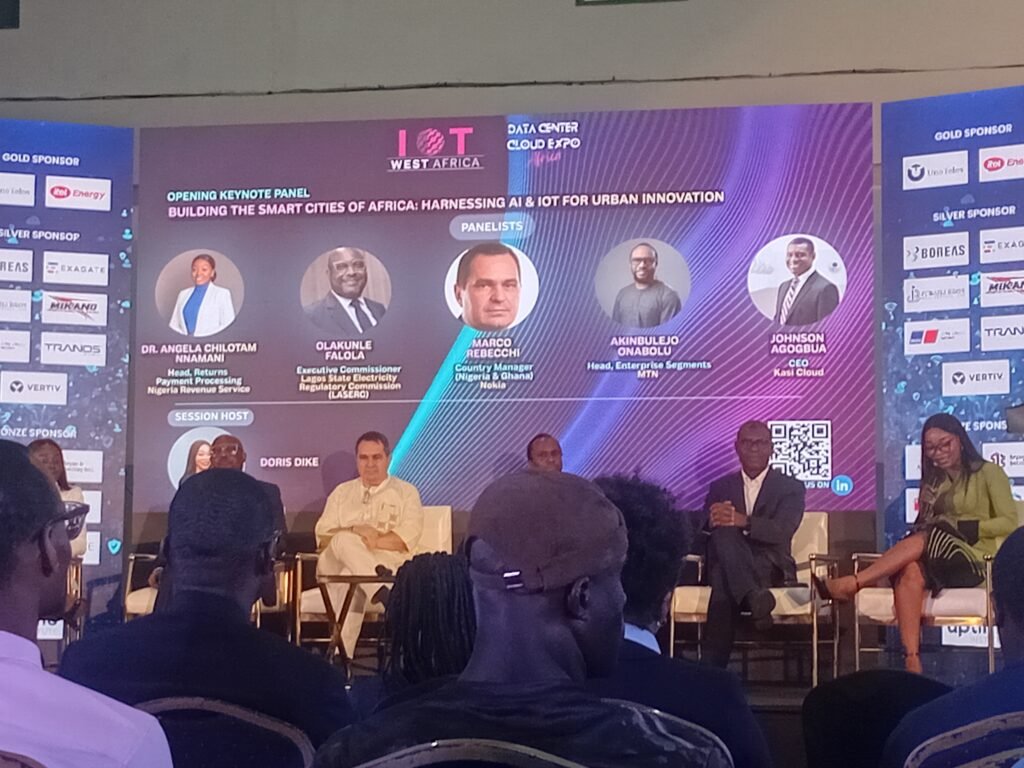
On the role of connectivity and inclusion, Onabolu stressed that smart cities must be defined by impact rather than technology alone. He argued that while infrastructure exists, the real challenge lies in adoption, affordability, and relevance particularly for the informal sector, which drives a significant portion of the economy. He highlighted that inclusive digital transformation requires solutions that address cost barriers and are tailored to everyday users, ensuring that innovation reaches all layers of society.
From a fiscal standpoint, Nnamani underscored the importance of targeted and performance-driven incentives in unlocking private sector investment. She pointed to Nigeria’s evolving tax reforms, which prioritize strategic sectors and reward actual infrastructure investment through tax credits and startup incentives. According to her, simplifying access to these policies and improving awareness will be critical in enabling businesses especially startups to participate in building smart city ecosystems.
Addressing infrastructure readiness, Rebecchi noted that no country is fully prepared for the scale of smart city transformation, urging African cities to adopt a phased, use-case-driven approach. He highlighted the need to strengthen mobile networks, expand fibre connectivity, and improve edge computing capacity, while cautioning against solutions that deepen inequality. Instead, he advocated for initiatives that deliver tangible benefits to the broader population.
Adding to the conversation, Agogbua emphasized that local data and computing infrastructure are essential for Africa’s digital future. He explained that reliance on distant global cloud systems increases latency and limits real-time decision-making, while also raising concerns around data sovereignty.
He argued that building AI-ready infrastructure locally would not only improve service delivery but also unlock economic opportunities, empower local talent, and support scalable digital innovation across the continent.
