









Uganda is requiring banking institutions across the country to integrate the National Security Information System (NSIS) into their systems to strengthen the electronic verification of customers’ identities and personal information.
The Minister for Internal Affairs, Ephraim Kamuntu, said the system, developed by the National Identification and Registration Authority (NIRA), requires banks to retrieve customer information directly from the NIRA database using a National Identification Number (NIN).
“The new system was intended to improve security, privacy and data protection rights of personal data for any individual with a NIN. This was a significant departure from verification that depended only on information presented on reading the ID document,” Kamuntu said.
READ ALSO: MASTERCARD AND BANK OF JORDAN EXPAND DIGITAL PAYMENTS IN THREE MARKETS
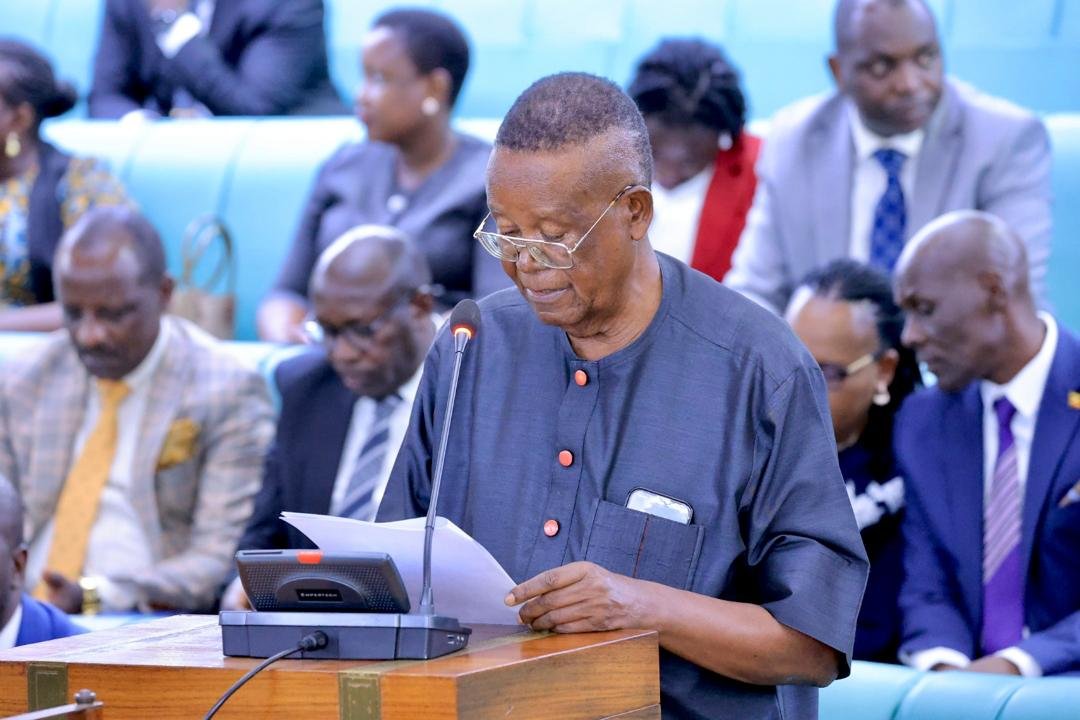
The minister made the remarks during a parliamentary plenary sitting on Wednesday, 18 November 2026, while responding to concerns raised by Paul Mwiru, Member of Parliament for Jinja South Division East, over national identity card verification for financial transactions.
Mwiru argued that financial institutions should continue using customer information previously registered with their old national identity cards, noting that the new verification process has created difficulties for individuals accessing financial services.
“You have added an extra burden to Ugandans and creates extra charges. If you go to NIRA, it is not easy to get the required confirmation letters,” Mwiru said.
Kamuntu acknowledged that the transition has required banks and telecommunications companies to upgrade their existing technology infrastructure, with implementation progressing more slowly than anticipated.
According to the minister, NIRA had shared integration guidance with 107 partners, but only 10 were using the new system as of 28 October 2026. He added that the Uganda Bankers’ Association had reported that several member institutions were still installing compatible biometric readers.
“NIRA shared integration guidance with 107 partners and as at 28 October 2026, 10 partners were transacting on the new system. Uganda Bankers’ Association reported that many member institutions were still installing compatible biometric readers,” Kamuntu said.
He explained that where a customer’s identity card cannot be verified at the point of service, their information can be confirmed through NIRA’s secure channel or by obtaining a Confirmation of Information Letter for the specific transaction.
The proposed alternative verification process also raised questions about additional costs for customers. Denes Sekabira, Member of Parliament for Katikamu County North, questioned whether individuals should bear the cost of obtaining confirmation letters when financial institutions are responsible for establishing the required verification systems.
“Each time you go to a bank and are required to have your data transmitted, a charge will be imposed, yet they should have the system in place. Some charges may be borne on a client in trying to stabilise a microfinance institution that is trying to equip itself,” Sekabira said.
Deputy Speaker Thomas Tayebwa, however, defended the move, saying stronger identity verification would support Uganda’s efforts to combat money laundering and terrorist financing and maintain its standing in the international financial system.
“We passed laws to remove Uganda from the grey list of the Financial Action Task Force regarding money laundering. Uganda was about to be blacklisted because people used forged national IDs to launder money and finance terrorism. The new move will support the country’s efforts in ensuring that we do not take a step back,” Tayebwa said.


