







South Africa’s Department of Science, Technology and Innovation (DSTI) achieved 89% of its annual performance targets and received a clean audit for the sixth consecutive year, according to its 2025/26 Annual Report presented to Parliament.
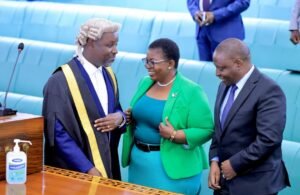
The Department spent 99.7% of its R9.4 billion budget during the financial year, with much of the funding directed towards science councils, research infrastructure, researchers and students. The report was presented by Deputy Minister Nomalungelo Gina to the Select Committee on Education, Sciences and Creative Industries in the National Council of Provinces.
A significant part of the Department’s work focused on expanding access to science and technology, particularly in rural communities and historically underfunded areas. This included funding 1,976 PhD students, 86% of whom were black and 59% women, alongside 4,273 other postgraduate students. A further 3,355 researchers received research grants, including 708 black female emerging researchers.


The Department also supported 730 black emerging farmers across more than 40 districts in all nine provinces with technology and innovation services, exceeding its target of 300 beneficiaries. In the Eastern Cape, smallholder farmers in Mthatha received training on using the South African System of Systems for Agriculture Modernisation (SASSAM), a digital tool that combines climate, soil and satellite data to help farmers make informed crop-planning decisions.
READ ALSO: AQURA SYSTEMS RAISES £2.1M TO ADVANCE AI-POWERED FISH FARM MONITORING TECHNOLOGY
The SASSAM tool is being extended to 11 districts and 10 crop types in KwaZulu-Natal. Other initiatives include biodegradable mulch films demonstrated to farmers in Peddie, Eastern Cape, to reduce plastic pollution and improve soil conditions.
Beyond agriculture, the Department supported 20 living laboratories and similar facilities to promote innovation in rural and township communities. Through its Regional Innovation Support Programme, approximately 800 local innovators and small technology businesses participated in 34 training programmes and innovation challenges.
In Diepsloot, Gauteng, the Department supported automated refill stations that allow households to purchase products such as cooking oil, maize meal, sugar and cleaning supplies using their own containers, helping reduce packaging waste and household costs.
The report also highlighted developments in South Africa’s scientific research infrastructure. In January 2026, the SKA-Mid telescope in the Northern Cape recorded its first signals, known as “first fringes”. The MeerKAT telescope was also linked to the European VLBI Network for the first time, enabling detailed imaging of plasma jets from a supermassive black hole.
Commenting on the Department’s approach to expanding access to science and innovation, Deputy Minister Gina said: “In addition to a continued strong focus on demographic transformation of the researcher and innovation community and the beneficiaries of DSTI investment, a specific dimension prioritised is supporting spatial transformation to reverse the apartheid legacy of significant under-investment in science, technology and innovation (ST&I) capabilities in rural areas and former homelands,”
She added: “We are confident that today’s engagement will provide useful insights on opportunities that need to be pursued by the DSTI over the remaining term of the current administration.”
The Department also reported progress in supporting local economic development and basic service delivery, including practical solutions in eight district municipalities. It plans to use its geographic information system (GIS) to help track its activities across districts, identify areas requiring further support and guide the deployment of science and technology resources during the remainder of its five-year strategic plan.